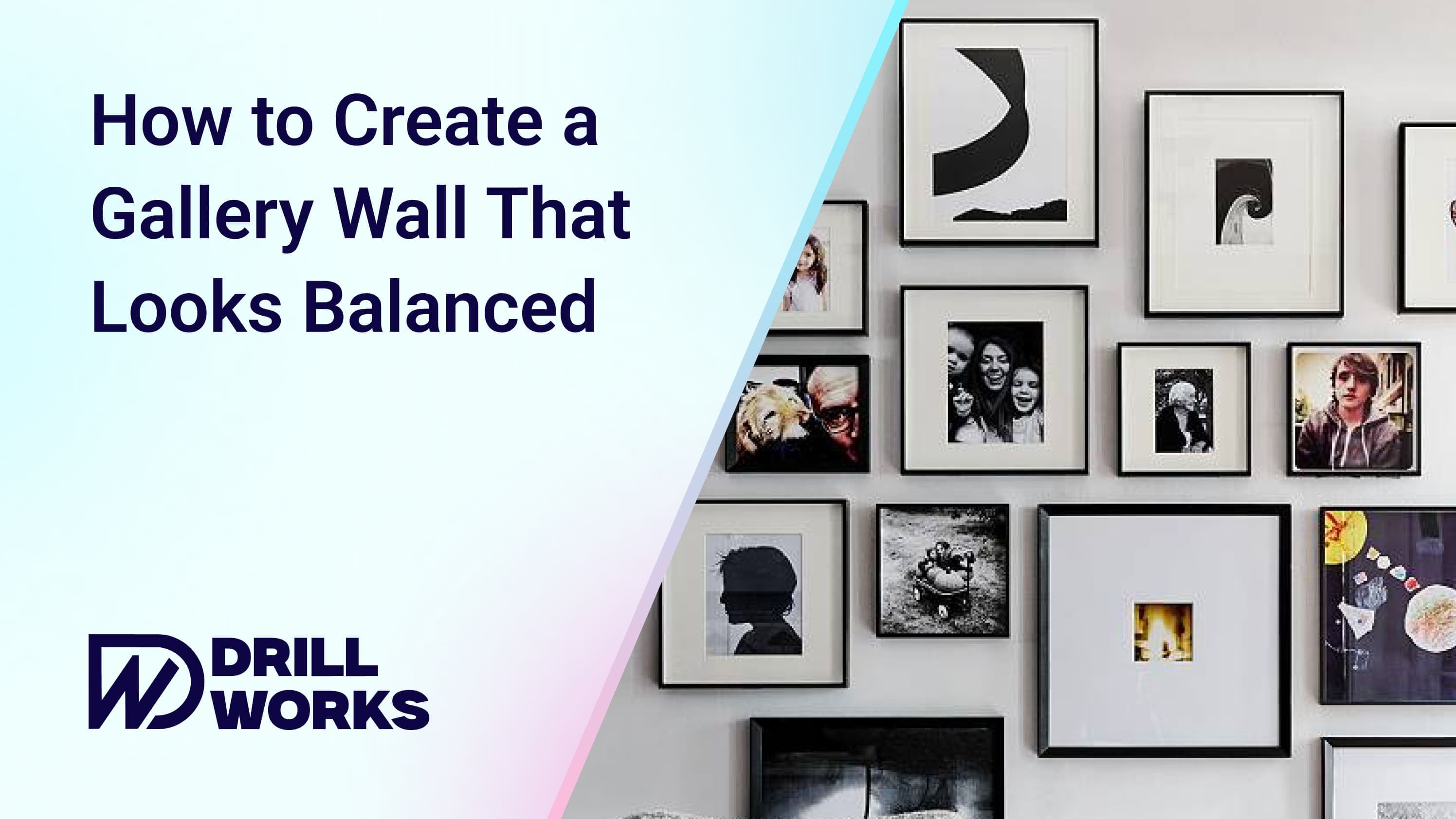
How to Create a Gallery Wall That Looks Balanced
A gallery wall does not need matching frames or perfect symmetry. It needs a clear overall shape, consistent spacing, balanced visual weight, and a connection to the furniture below it.
Helpful tips to plan cleaner, safer, and more professional-looking installations
A gallery wall does not need matching frames or perfect symmetry. It needs a clear overall shape, consistent spacing, balanced visual weight, and a connection to the furniture below it.
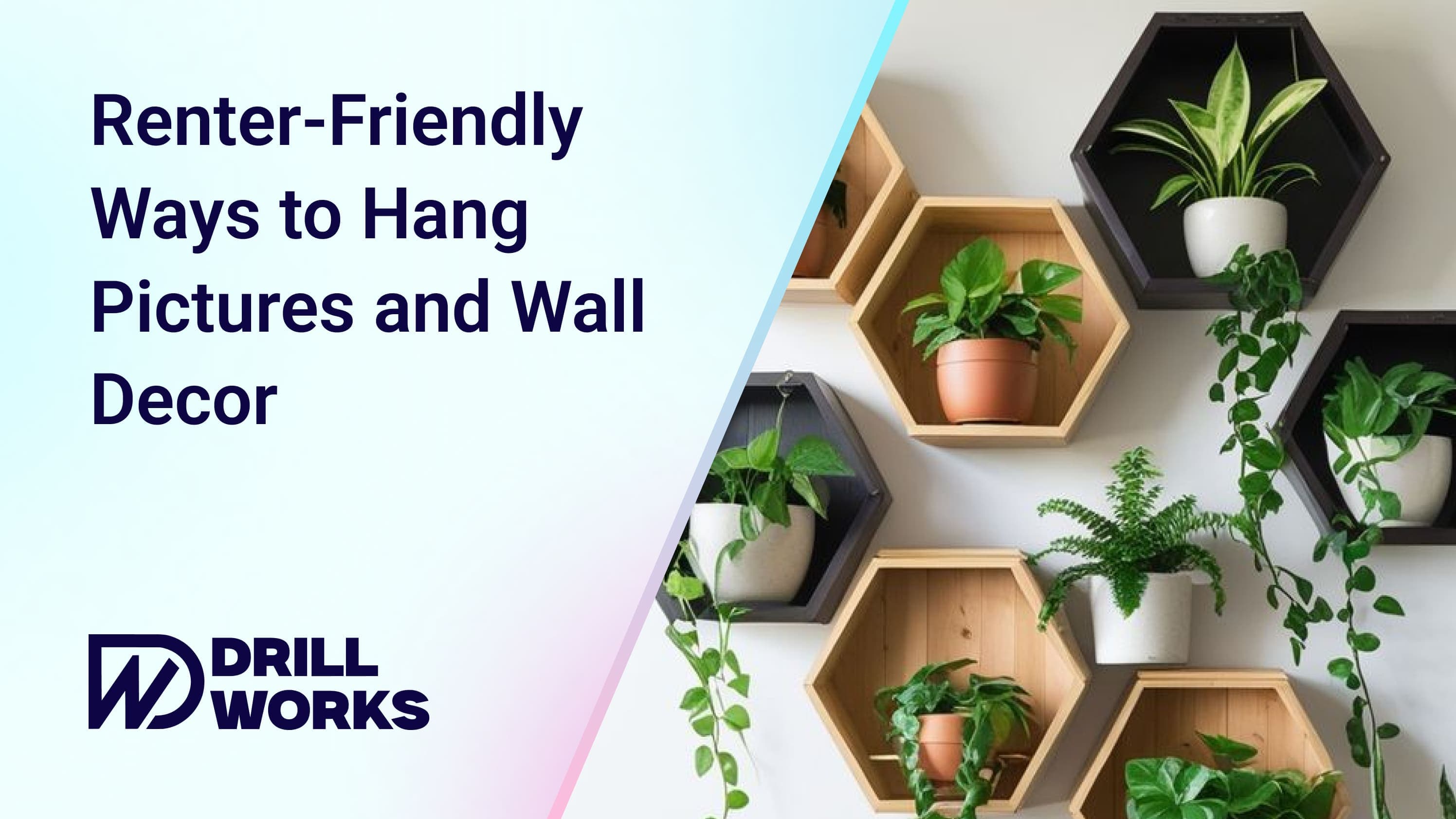
Compare removable strips, picture hooks, ledges, and no-hole options, and learn when a mechanical fastener is the safer choice.
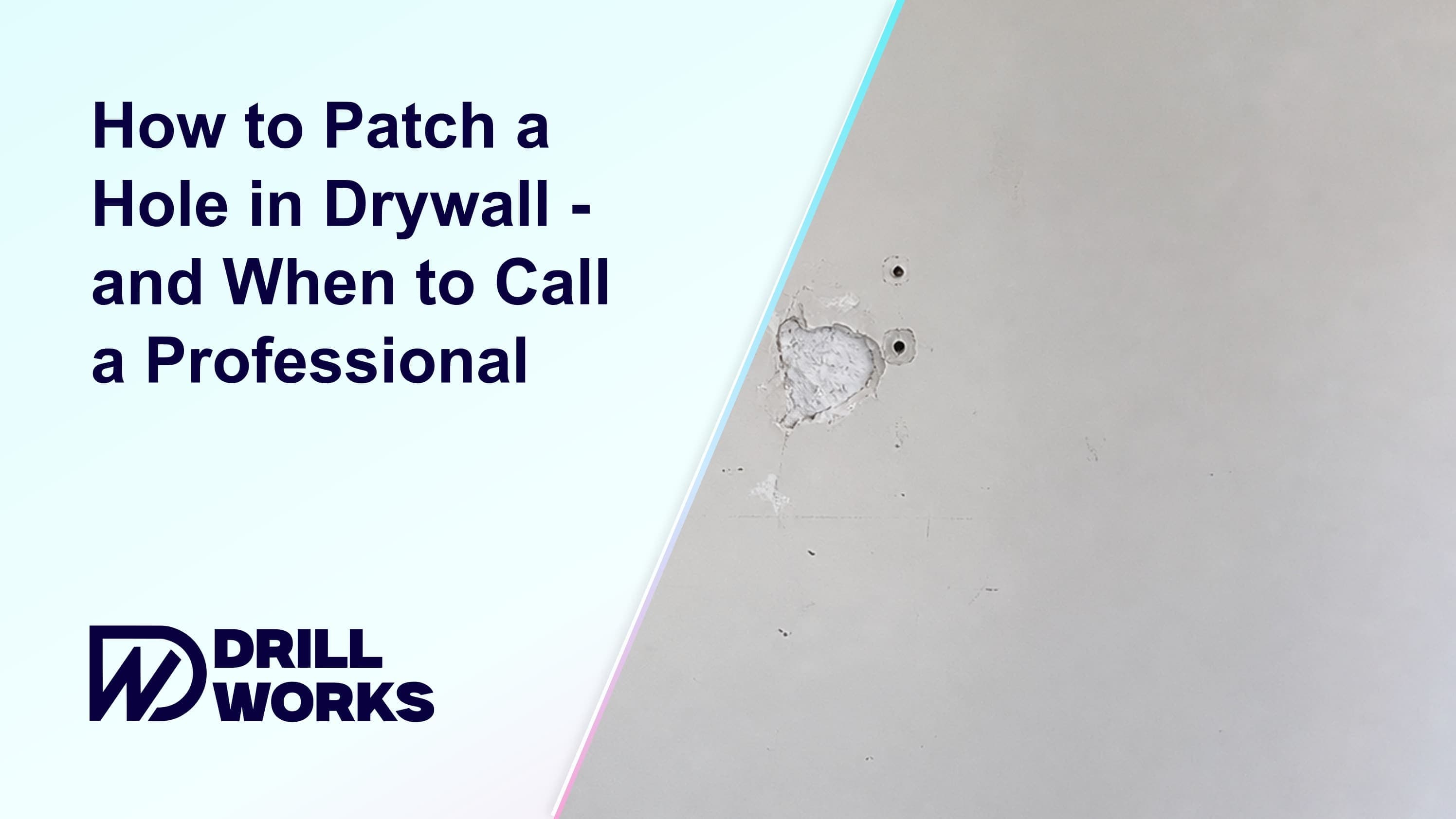
Learn which drywall holes are easy DIY repairs, which patch method to use, and when water damage, texture, wiring, or a rated wall needs a professional.
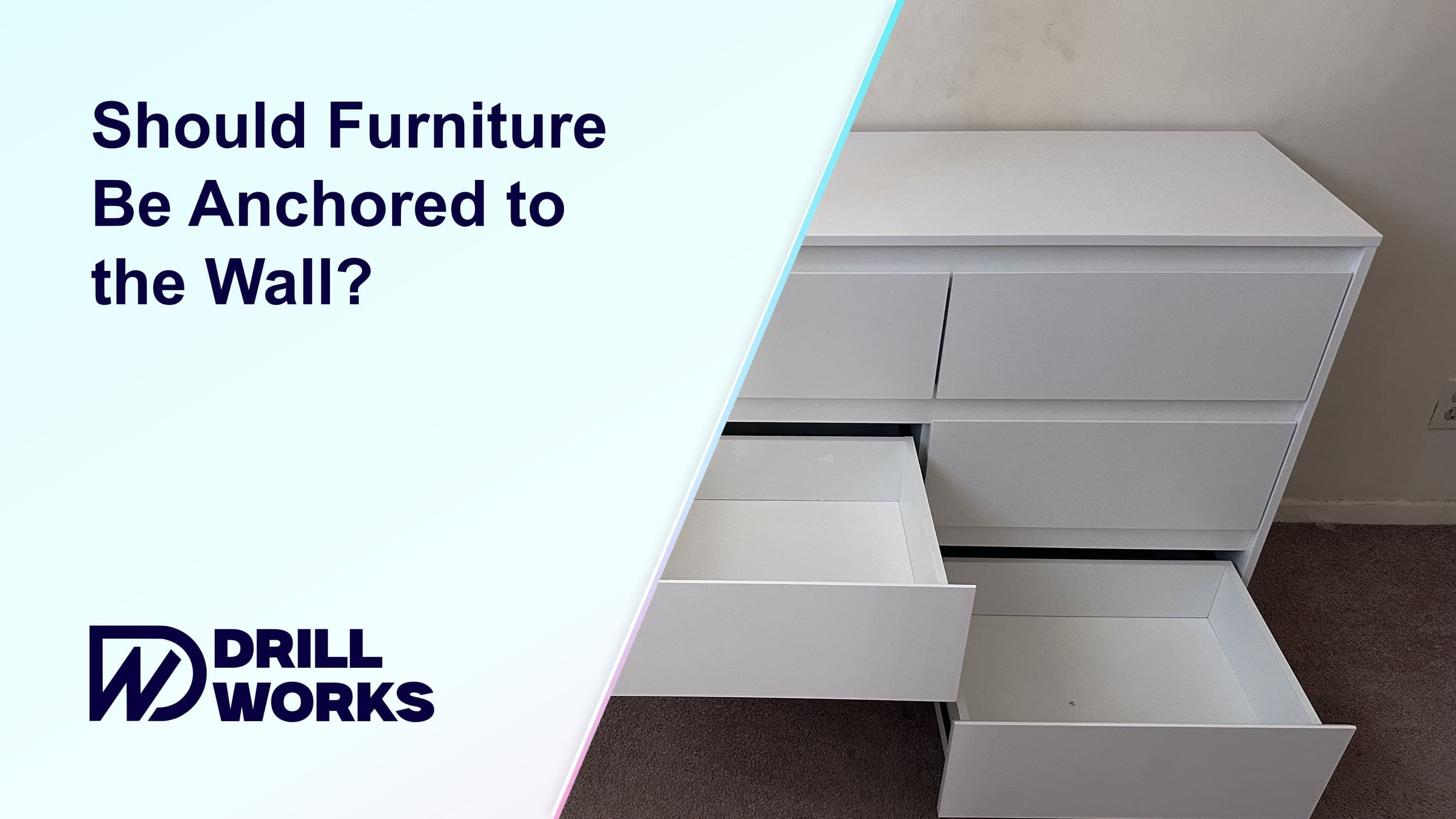
Learn which furniture should be anchored, how anti-tip restraints work, and why the correct attachment depends on the furniture and wall.
Learn why flat-pack furniture ends up crooked, loose, or damaged, and the assembly order that prevents the most common problems.
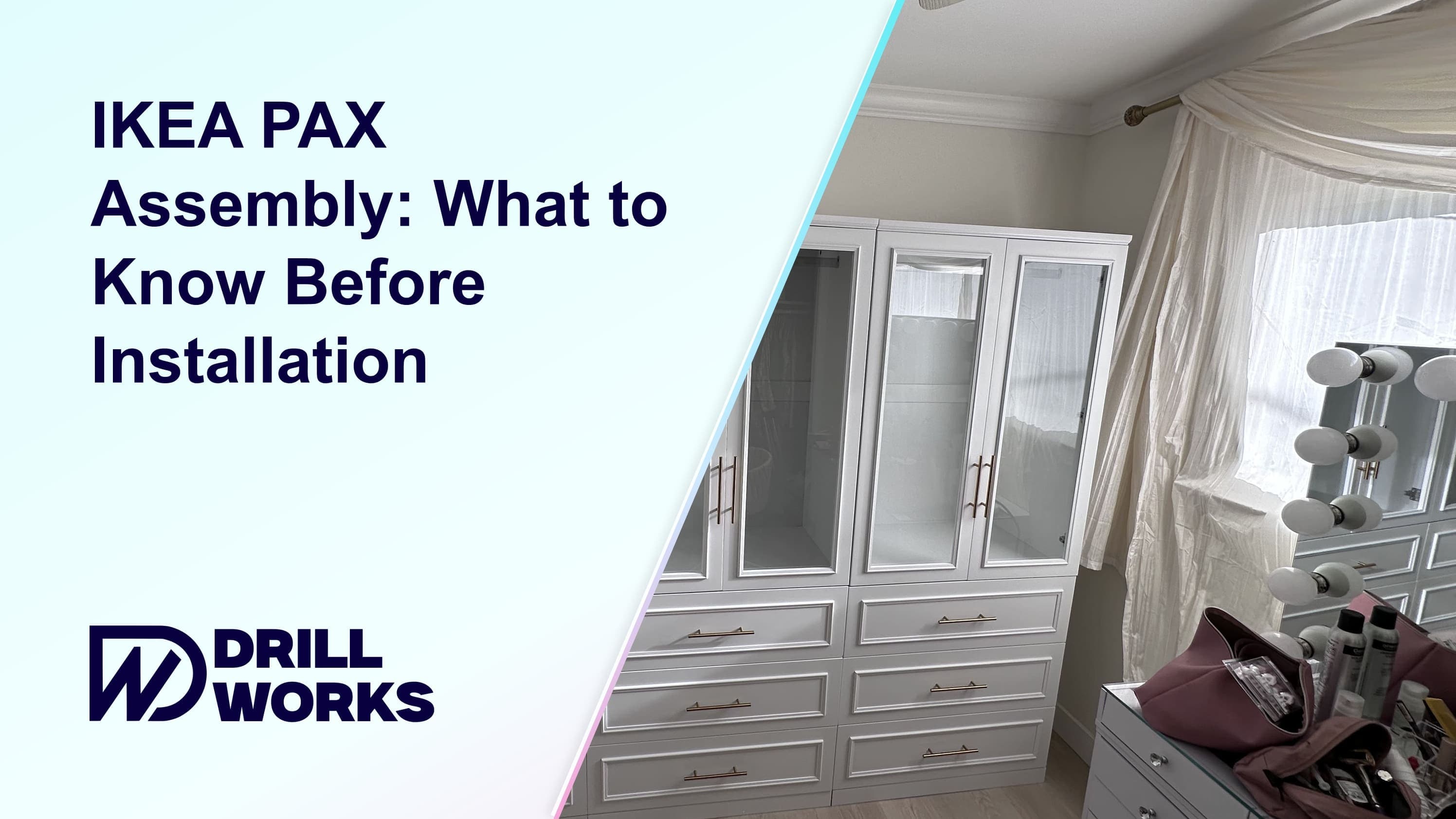
Measure the room, identify the exact PAX system, and confirm every component before wardrobe assembly begins.
Choose the right TV wire concealment method for your wall, outlet location, devices, and rental restrictions.
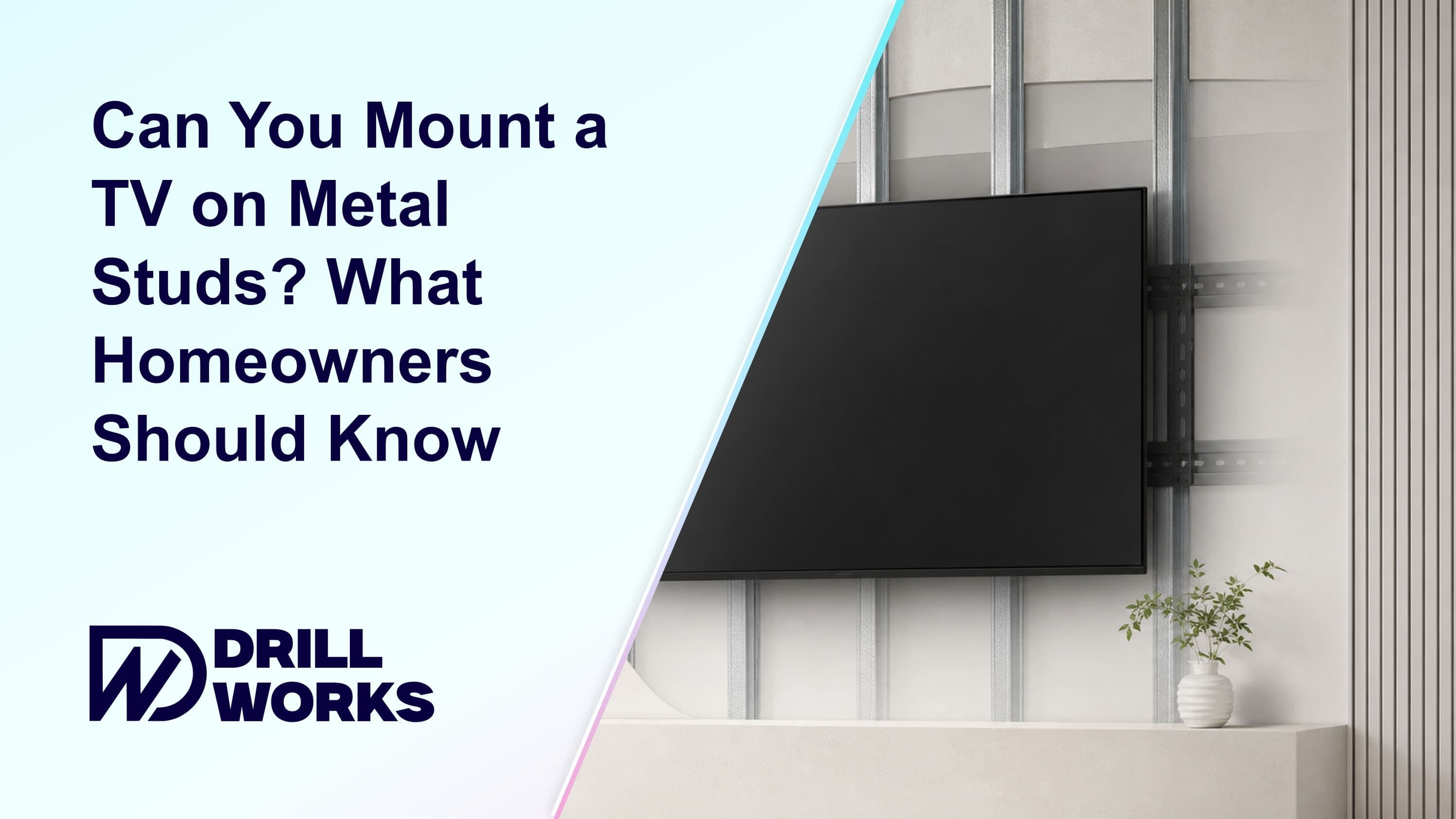
Learn when a metal-stud wall can support a TV, which mount styles create more leverage, and when reinforcement may be needed.
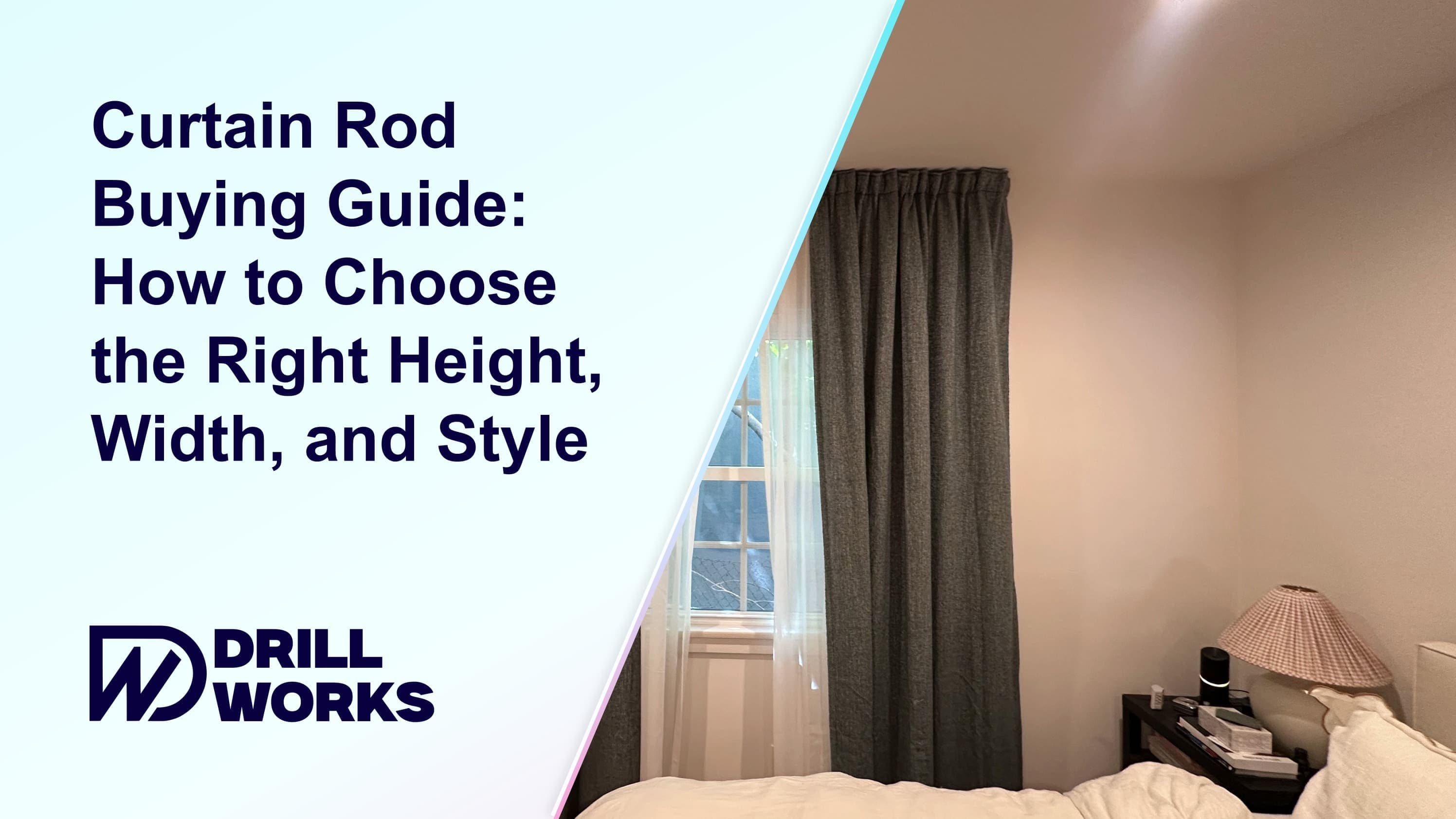
Learn how to choose curtain rod height, width, diameter, and hardware so your windows look taller, wider, and more finished.
Compare fixed, tilting, full-motion, slim full-motion, ceiling, and mantel TV mounts to find the right bracket for your room, wall type, and viewing angle.
Use your room size, viewing distance, and viewing habits to choose the right TV size for bedrooms, living rooms, and home theaters.