Renter-Friendly Ways to Hang Pictures and Wall Decor
Compare removable strips, picture hooks, ledges, and no-hole options, and learn when a mechanical fastener is the safer choice.

Check these three things first
Renters do not need completely bare walls, but removable does not always mean damage-free. The safest choice depends on four things: your lease, the wall finish, the item's weight, and what could happen if it falls.
- The lease: Look for rules about nails, anchors, adhesive products, painting, and alterations. Some landlords prefer a few patchable nail holes over peeled paint.
- The wall: Smooth, sound painted drywall is different from textured drywall, plaster, brick, tile, or wallpaper. Fresh, dusty, damp, or peeling paint is a poor adhesive surface.
- The actual item: Weigh the complete frame, not just the artwork, and check its depth, backing, glass, and hanging hardware.
Which method should you use?
| Method | Best for | Wall impact | Main limitation |
|---|---|---|---|
| Rated removable strips | Lightweight, flat-backed frames on compatible smooth paint | No hole | Can lift weak paint; unsuitable for many textured or delicate surfaces |
| Small picture hook or nail | Small and medium frames when the lease allows tiny holes | Small, patchable hole | Must match the frame weight, hardware, and wall |
| Picture ledge | A collection you want to rearrange often | A few secure holes | The ledge itself must be properly mounted |
| Art leaning on furniture | Frames on a stable console, dresser, mantel, or shelf | None | Needs non-slip support and a low-bump location |
| Existing picture rail or approved track | Apartments with purpose-built hanging hardware | Usually none | Use only fixtures designed to carry decor |
1. Removable picture-hanging strips
Strips are useful for lightweight frames with a flat, rigid back on a clean, compatible surface. Choose the exact product and number of pairs for the frame's total size and weight.
Follow the package instructions rather than combining unrelated strips or guessing the capacity. For example, 3M says to wait seven days after painting, avoid wallpaper and valuable items, and not hang its picture strips over beds. Its instructions also require a one-hour wait before rehanging the frame.
2. Small picture hooks
If small holes are allowed, a correctly rated picture hook can be more predictable than a large adhesive area. It is often a good choice for ordinary framed art on drywall or plaster.
Do not use a basic nail for a heavy mirror, shelf, deep shadow box, or large glass frame. The fastener must match both the wall material and the hardware on the back of the item.
3. A picture ledge
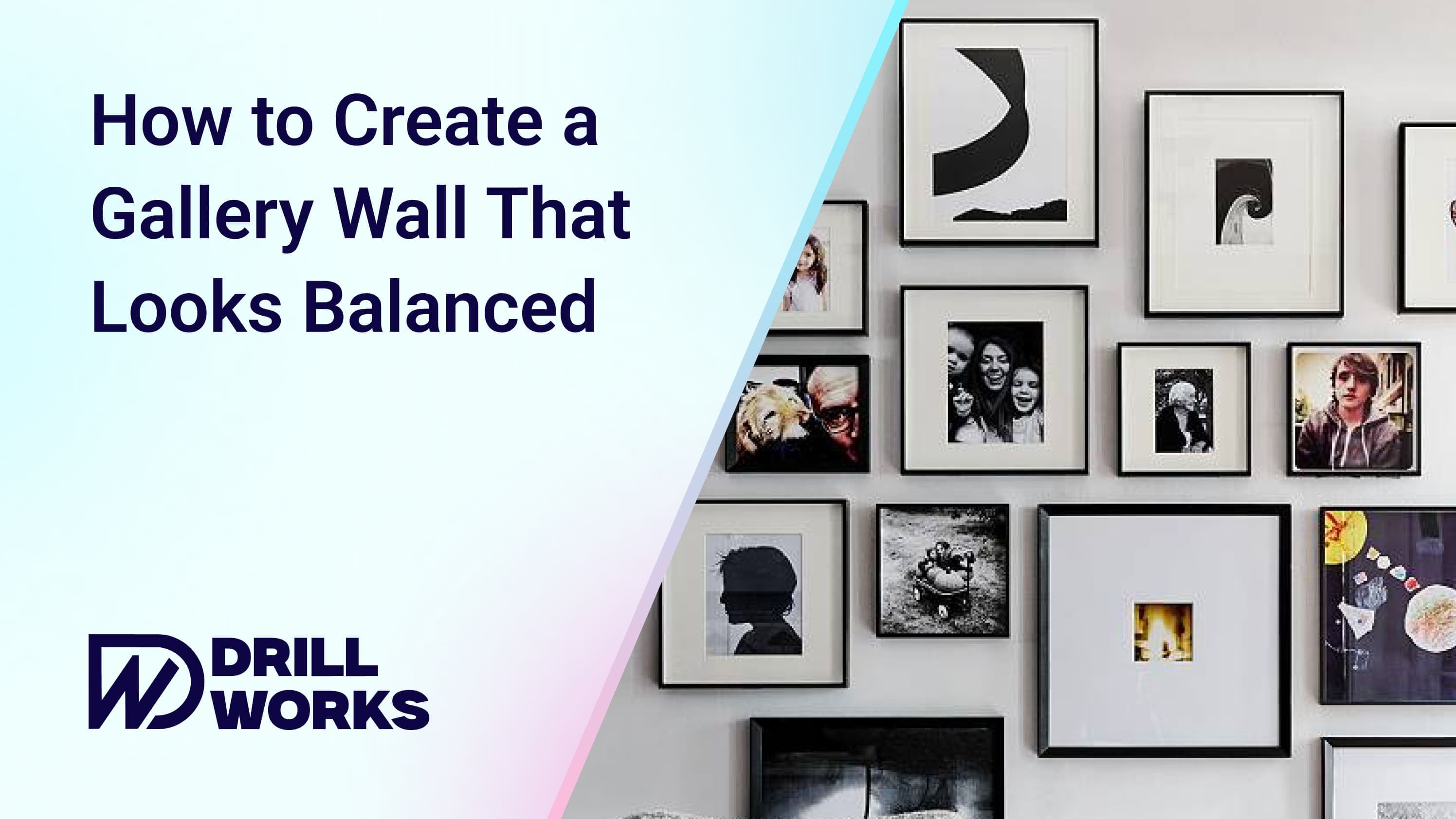
A ledge is not a no-hole solution, but it can replace many individual holes with a few secure attachment points. Once installed, frames can be rearranged without drilling again.
The ledge length, total load, wall material, and anchor locations still need to be evaluated.
4. Lean the art instead
A console, dresser, mantel, or shelf can display framed art without wall attachment. Add non-slip pads and keep the frame away from edges and busy walkways.
Do not leave large glass frames loosely leaning where children, pets, or frequent traffic could knock them over.
5. Use existing architectural hardware
Picture rails, approved hanging tracks, molding hooks, and existing rated hooks can prevent new wall penetrations.
Never use sprinkler components, pipes, blinds, curtain rods, or other fixtures that were not designed to support decor.
How to remove adhesive strips safely
Remove the frame first. Hold the strip or base as directed, then stretch the tab slowly down along the wall. Never pull it outward. If resistance suddenly increases, stop and check the manufacturer's instructions.
3M's picture-strip instructions specify pulling slowly down against the wall, not toward you. Exact removal steps vary by product, so keep the package instructions.
When adhesive alone is the wrong choice
Use a wall-appropriate mechanical attachment for heavy or valuable art, large clocks, shelves, deep frames, and most glass mirrors. Be especially conservative above a bed, sofa, desk, or walkway, where a failure could injure someone or damage furniture.
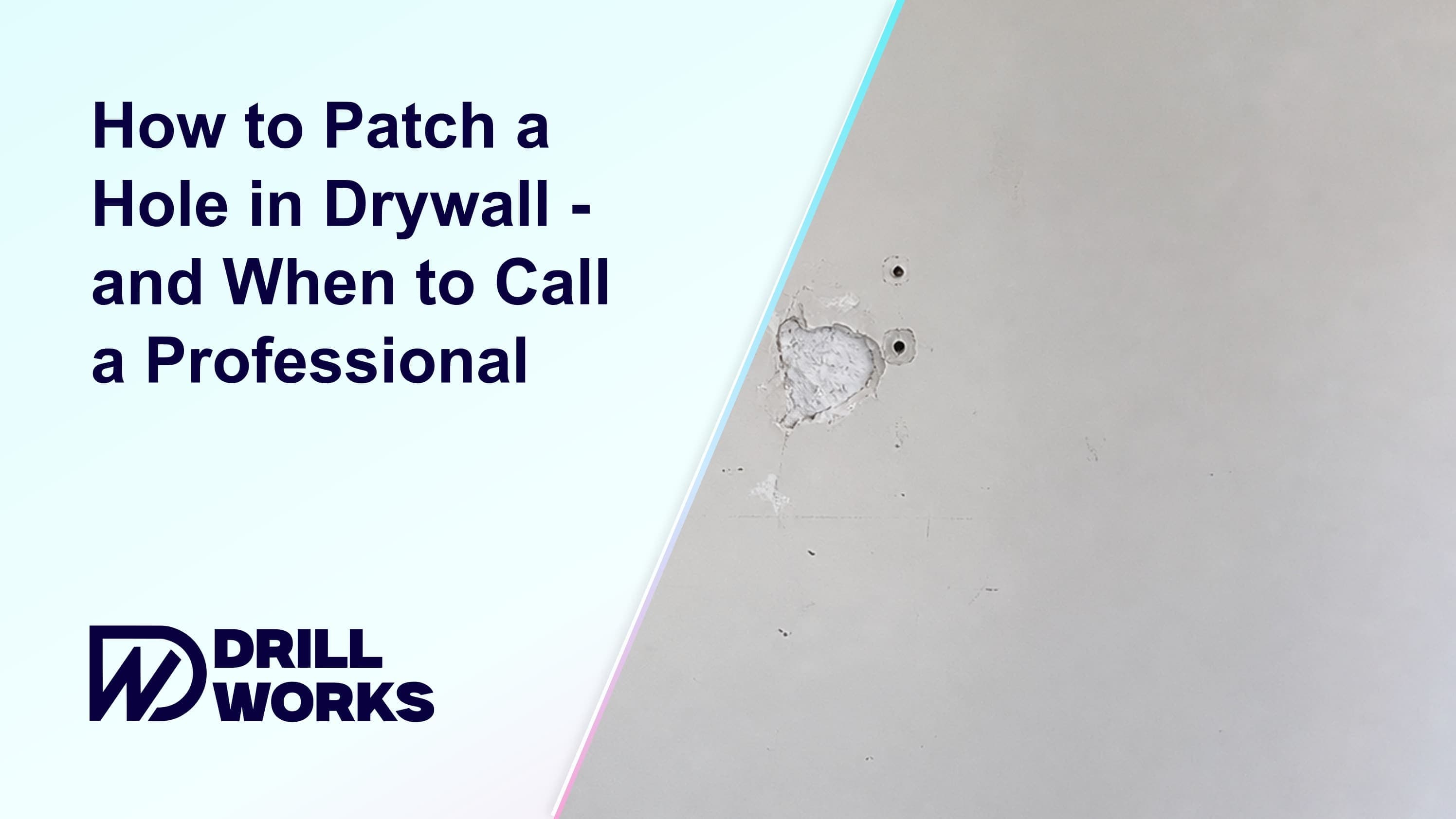
A tiny hole that patches cleanly may create less move-out damage than a large patch of torn paint.
Need help mounting wall decor in Los Angeles?
DrillWorks can assess the item, wall material, rear hardware, and renter-conscious mounting options before installation. Send:
- A photo of the wall
- Item dimensions and approximate weight
- A photo of the rear hardware
- Your preferred location
- Any lease restrictions
Frequently Asked Questions
Do removable strips always come off without damage?
No. Paint condition, surface texture, preparation, product selection, installation, and removal technique all affect the result.
Are small nail holes renter-friendly?
Often, but lease rules differ. Confirm whether small picture holes are allowed before installation.
Can I hang a mirror with removable strips?
Only if the exact mirror, surface, size, weight, and product meet the manufacturer's instructions. A mechanical attachment is usually the safer choice for heavy, valuable, or overhead mirrors.
What works best on textured walls?
Texture reduces adhesive contact. If the lease permits it, a wall-appropriate mechanical fastener is usually more reliable and easier to repair predictably.